Your cart is currently empty.
Continue Shopping

Seasonal Styles
The New Bodycon Dress, How Fitted Silhouettes Are Changing
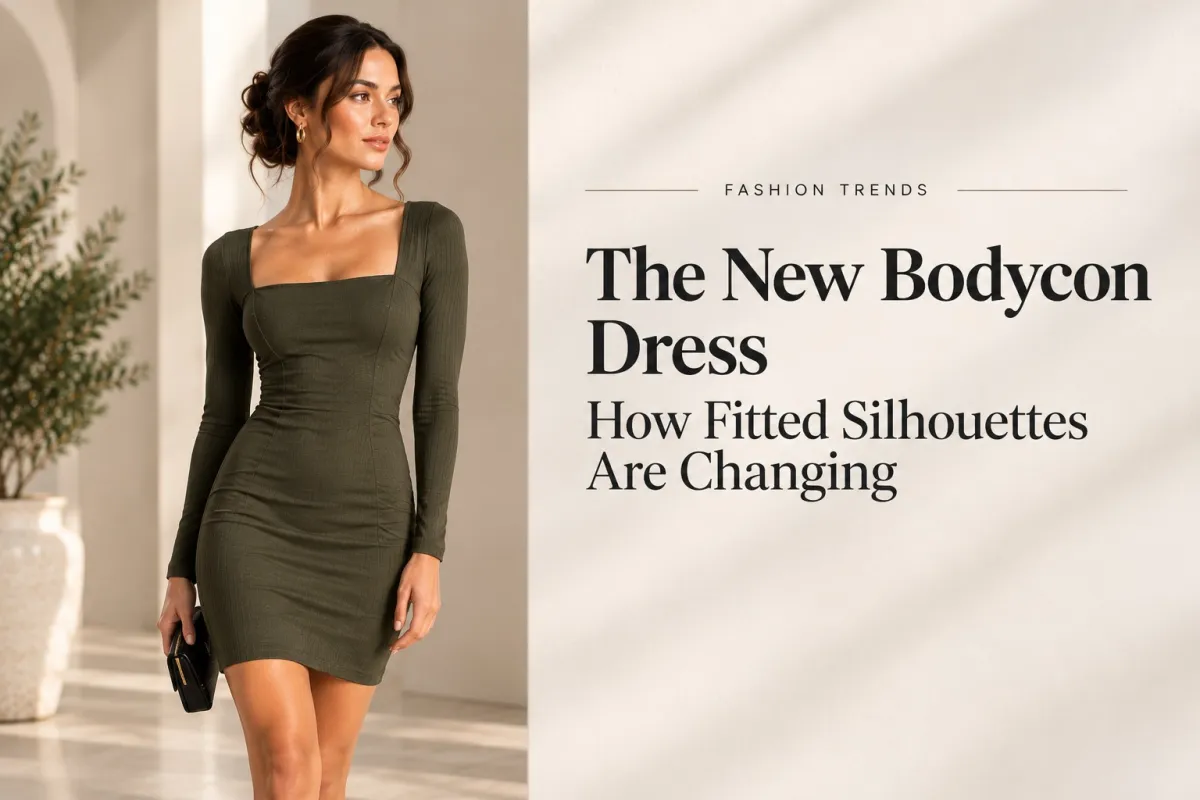
Bodycon dresses have become a staple for parties and other night time events, but the style has evolved beyond the traditional mini. There are many variations in fitted dresses, depending on fabric, length, neckline and construction.
Ribbed knits add texture to the fabric, shaped seams can give a more defined outline and longer lengths can be a great alternative to traditional party wear. These differences extend bodycon dresses' versatility, whether for dinner, nights out or for a more deliberate occasion.
The difference is that the bodycon style of dress has not ceased to exist. There is that designers are utilizing a wider variety of details to form the appearance and feel of fitted gowns.
How Modern Bodycon Dresses Differ from Classic Styles
Stretch fabrics, short hemlines and a figure-hugging silhouette are all classic hallmarks of bodycon dresses. These dresses featured heavy horizontal panels and were known as bandage dresses.
Modern bodycon dresses are the same but with more options. The ribbed midi will give a different vibe than a short, sleek midi dress. If it's just higher necklines and shaped seams or long sleeves, it can change up the whole look without changing the fitted silhouette.
The classic mini is still in use for parties and nights out. The difference is the increased selection of lengths, textures and coverage within the category.
Four Design Factors Shaping Modern Bodycon Dresses
Modern bodycon dresses differ in how they use fabric, proportion, coverage and construction. The four things are the reasons this type of clothes can be vastly different while sharing a similar silhouette.
1. Fabric, Stretch and Shape Retention
The fabric affects both the appearance and fit of a bodycon dress.
- A light, stretchy jersey fits snugly to the body.
- Ribbed knits add texture to the fitted effect.
- Ponte and other structured knits can create a firmer outline, depending on their composition and weight.
Stretch is not the only factor to consider for a proper fit. Fabric must be able to recover sufficiently to regain its form following wear. Too stretchy or too easily distorted material may not fit as designed. There is nothing wrong with a thicker fabric either – it's comfort, breathability, flexibility and fit that is important.
What to compare: Fabric texture, drape, stretch and shape retention. These details can make two similarly fitted dresses look and feel noticeably different.
2. Length and Overall Proportion
The bodycon mini will always be a favourite party piece and midi and maxi lengths are available for other situations.
Mini: A popular option for parties and nights out, and the silhouette will depend on the cut and texture of the fabric. Midi: Bodycon midi dresses can be worn with dinners, evening events or more formal daytime affairs depending on the neckline and fabric. Maxi: Longer bodyline, one continuous line and can appear more formal depending on the construction and detailing used.
It's not a rule that it is modern just because of the length. The simple mini can look fresh in cut and fabric, while the midi can look unbalanced if proportions and/or details don't match.
The neckline, sleeves and hemline should be combined. For instance, a high neckline and long sleeves will provide a different balance to a low neckline and short hem.
What to compare: How the hemline balances with the dress's neckline, sleeves, fabric and overall shape.
3. Sleeves, Necklines and Coverage
Sleeves and necklines change the character of a fitted dress without necessarily altering its close silhouette.
- Sleeves: A long sleeveless bodycon dress will offer more coverage than a sleeveless look.
- Necklines: Square, high and asymmetrical necklines that create different balances visually.
- Cut-outs: Exposed sections that are cut out to create contrast within a close-fitting shape.
- Gathering: Bring around the waist or side seams for interest, and not necessarily to lengthen the dress.
The relationships among the several prominent features are significant, when they are included in a design.
Coverage is an alternative for UK consumers. Dresses can be inappropriate for an occasion, season or location because of sleeves, necks, and hems.
What to compare: Depth of coverage, placement of the design details, relationship of the features to each other and to the event.
4. Construction and Silhouette
Two dresses can fit tightly and yet be completely different in silhouette according to their design. Seams, darts and panels influence where the fabric follows the body or creates structure and folds.
These categories may be used in combination. A fitted dress can also be a bodycon dress and a ribbed design can incorporate more seams or shaping.
A defined outline can be seen with the seams of the garment and the building of a fabric. If texture is more prominent, a ribbed design might be more appropriate. It may be as tight as construction, it's the degree of tightness.
What to compare: Seam placement, darts, panel construction, gathers and the ability to hold the shape of the fabric.
Choosing a Bodycon Dress for Different Occasions
The most suitable fitted dress depends on the setting, fabric and preferred level of coverage.
Bodycon, Ribbed, Bandage and Structured Fitted Dresses
The terms used to describe fitted dresses often overlap. Understanding their main differences makes comparisons more useful.
The silhouette is a term for what Bodycon means, the texture of the fabric is ribbed and the bandage is a type of construction. Descriptors such as fitted and bodycon do not necessarily indicate different types of dresses, but rather may describe the same.
What to Look for When Choosing a Modern Bodycon Dress
While there are more styles nowadays in bodycon dresses, there are 3 important elements to consider when comparing them:
Before choosing a fitted dress, consider three things:
Fabric texture: Examine the stretch, texture, thickness, and shape retention. Construction: Check seams and panels, gathering and does it produce the desired outline. Hem, sleeves, and neckline: Think about how the length and coverage will coordinate for the event.
A newer way to bodycon is the expansion of the design options instead of replacing the classic ones. The comparison of fabric, construction and proportion provides a more effective means of evaluating contemporary bodycon dress.

Weekend Discount Coupon

Secure Payment Methods

Track Your Package
